How Anyone in Healthcare can Benefit from a LinkedIn Profile

LinkedIn is a widely used platform by healthcare professionals in New Zealand, with many finding it to be an indispensable tool for advancing their careers. While many people associate LinkedIn with networking, it offers so much more than that.


LinkedIn operates similarly to Facebook, however, it has many more benefits that allow you to stay ahead of the curve in your industry and your career. Some of our favourite features include the ability to subscribe to newsletters, create a feed filled with relevant industry news and updates, and, of course, using it as a tool for career progression. It's a place to join a community filled with support, insights, and motivation within your industry, as well as any others you're interested in. It is important to remember that LinkedIn is not just for corporate business. Who you follow and connect with is truly up to you.


Due to a shortage of healthcare workers in the market, there is currently an abundance of career progression opportunities available. However, navigating through the diverse range of job options and companies can be overwhelming and time-consuming. Applying for jobs can also be challenging, especially when trying to understand whether you meet the qualifications or not.


Fortunately, LinkedIn can simplify the process. Your profile can include detailed information about your education, experience, skills, and background, providing businesses with a comprehensive view of your qualifications. This way, when organizations contact you about a job opening, you can be confident that you are suitable for the position. A LinkedIn study found that job seekers who regularly engage with content on the platform are 29 times more likely to get noticed by employers. Additionally, LinkedIn's job matching feature sends you a summary of jobs that apply to you every two weeks, where applying is as simple as clicking one button.


Facebook is a popular social media platform, but it's not the best option for professional networking and job hunting. While it can be convenient to join healthcare-focused groups, their primary purpose is to facilitate social interaction. Unlike LinkedIn, Facebook lacks the essential features and functionality that recruiters, companies, and hiring managers require to find and engage with potential job candidates. Additionally, Facebook groups lack the searchability and discoverability that professional networking platforms offer, making it difficult to connect with like-minded professionals and find relevant groups.


LinkedIn, on the other hand, offers an all-in-one platform for connecting, finding job opportunities, researching companies, staying informed about industry news and insights, and showcasing professional achievements. It's more than just a resume, as it allows you to keep your personal and professional lives separate. This means you can maintain your privacy while still showcasing your professional expertise.


As a business, having a LinkedIn profile can help you connect with a broader scope of candidates and clientele. Establishing an online presence allows potential employees and clients to form a relationship with your brand before connecting with you. A LinkedIn page provides an opportunity to showcase your brand, mission, and values to a professional audience, and it can help establish your business as a leader in the industry. Building trust with potential clients, partners, and employees is also easier when you have a professional presence on LinkedIn.


These features make LinkedIn an excellent choice for professionals seeking to advance their careers and build their professional reputations. At RWR Health, we are proud to say we’ve found many candidates incredible jobs through their LinkedIn profiles that they never would have dreamed of beforehand. We wholeheartedly encourage every candidate and client to join the site to open the same pathways and opportunities. Remember, it’s not what you know, but who you know. And by joining LinkedIn, you’ll instantly be connected to millions of others. 

By RWR Group Marketing August 17, 2026
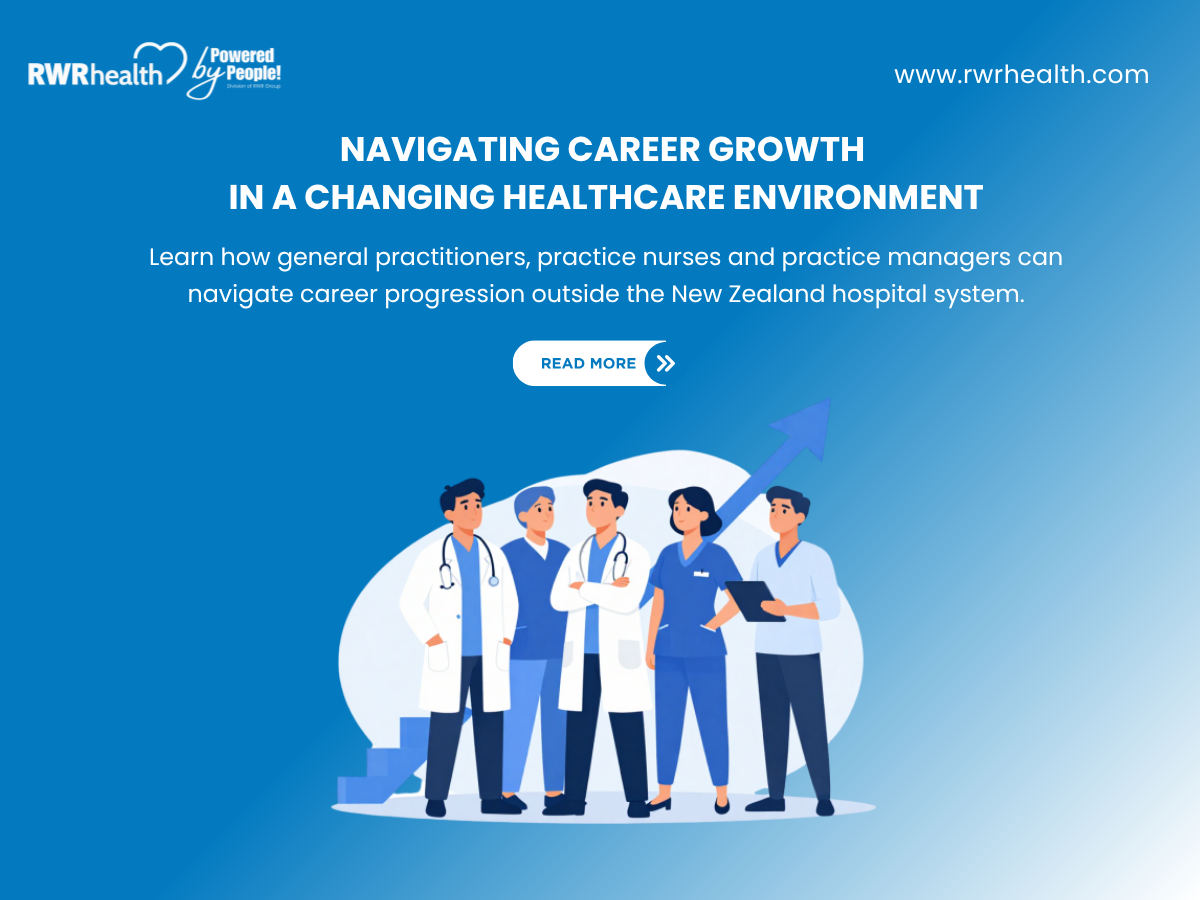
Learn how general practitioners, practice nurses and practice managers can navigate career progression outside the NZ hospital system.
By RWR Group Marketing August 10, 2026
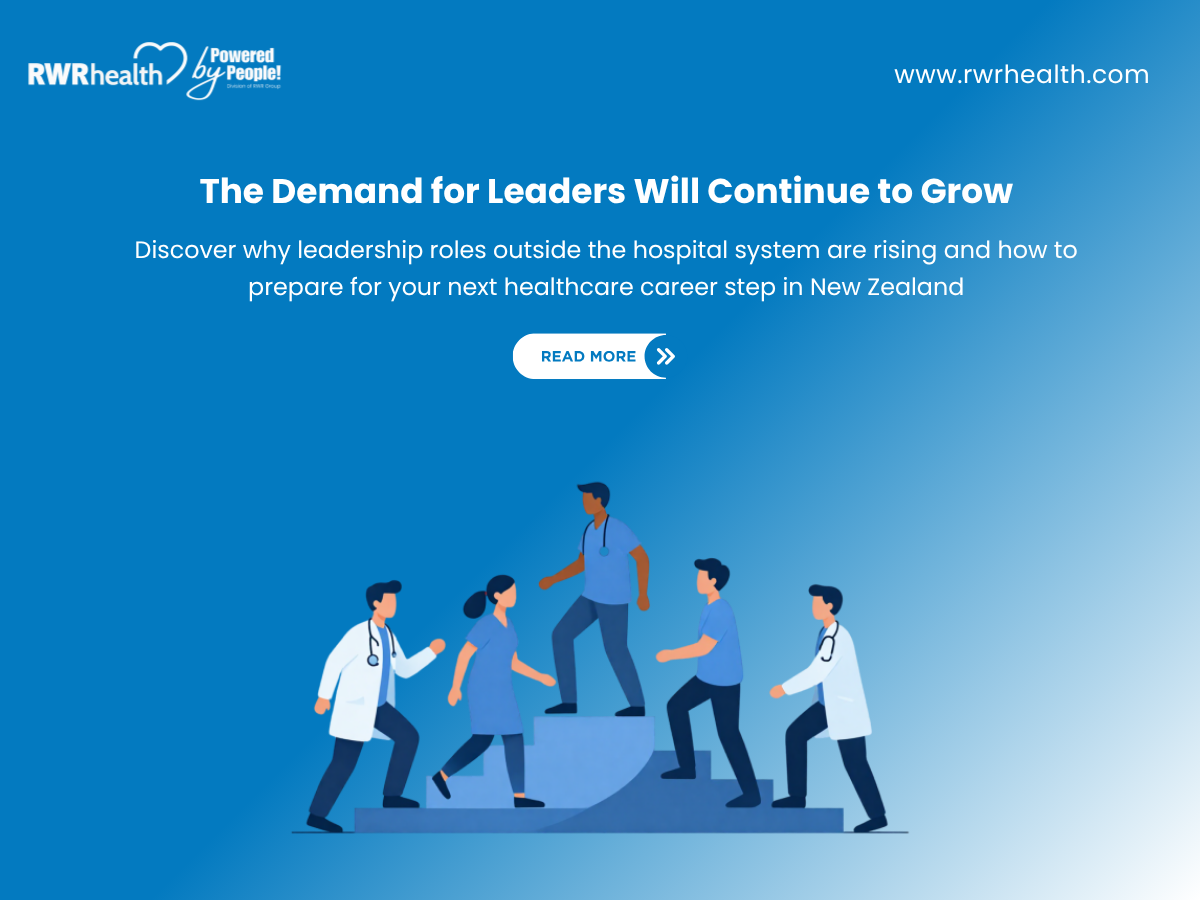
Discover why leadership roles outside the hospital system are rising and how to prepare for your next permanent healthcare career step in NZ.
By RWR Group Marketing August 3, 2026
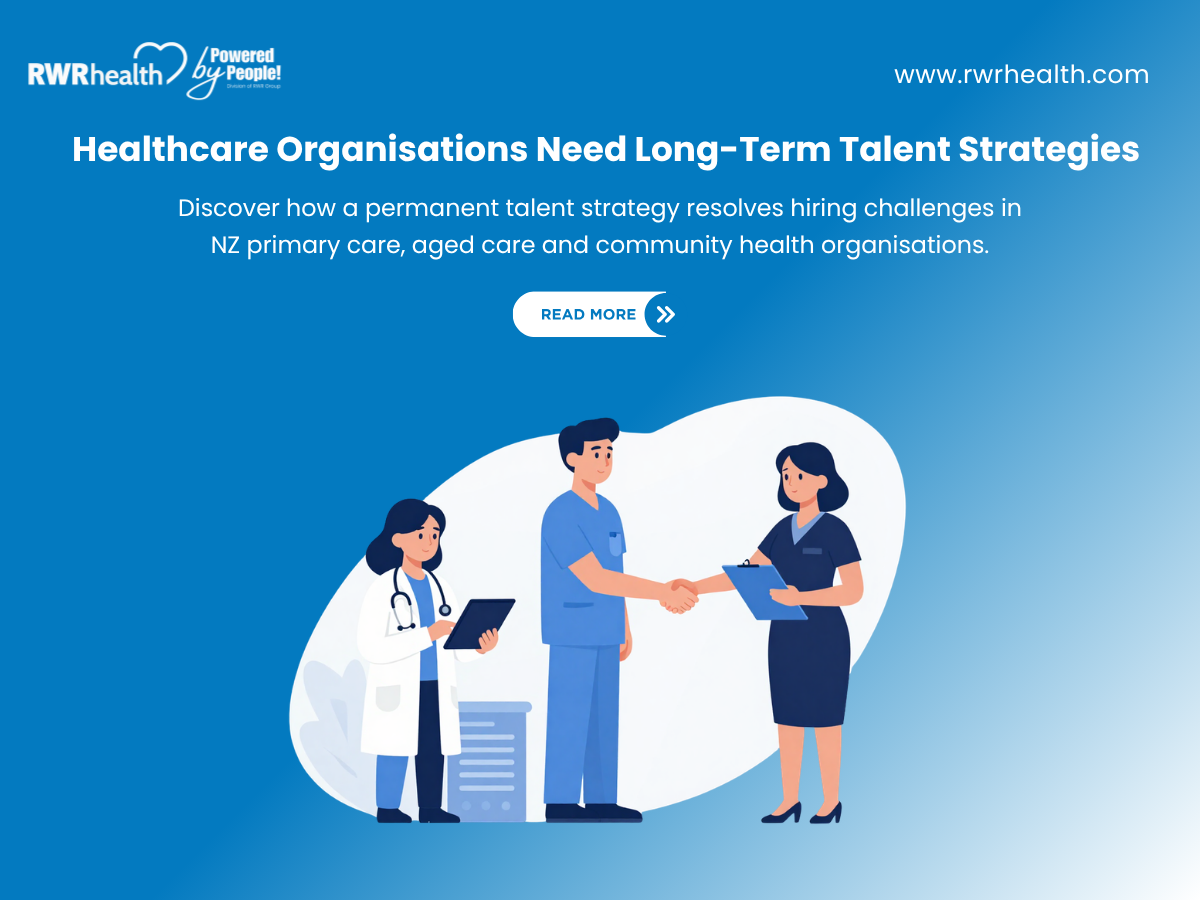
Discover how a permanent talent strategy resolves hiring challenges in NZ primary care, aged care, and community health organizations.
By RWR Group Marketing July 28, 2026
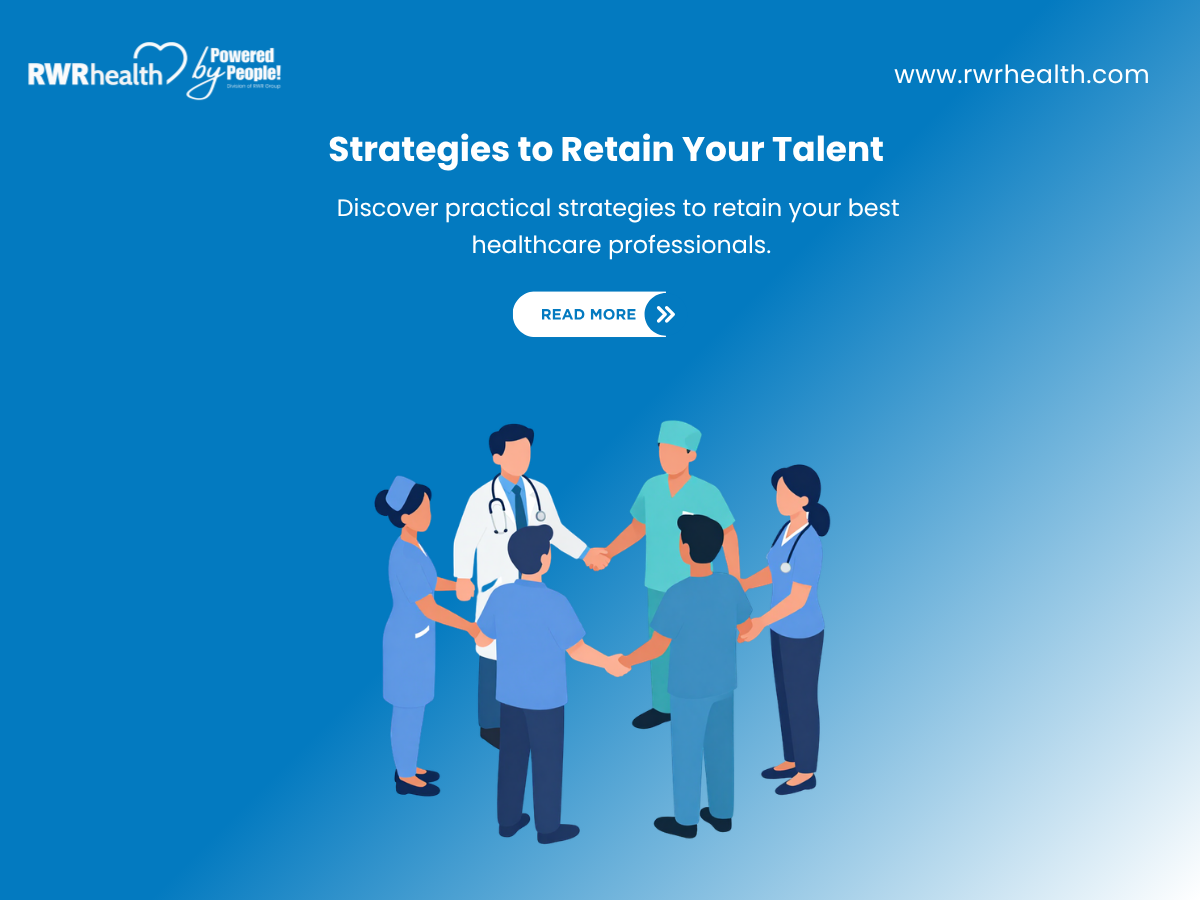
Discover practical strategies to retain your best healthcare professionals.
By RWR Group Marketing July 20, 2026
Understand what NZ health employers are looking for in mid-senior hires. Practical insight for experienced health professionals.
By RWR Group Marketing July 14, 2026
Stand out in NZ health recruitment. Practical CV advice for mid to senior health professionals looking for their next permanent role.
By RWR Group Marketing July 6, 2026
Salary gets people in the door. Culture is what keeps them there. Across New Zealand's health sector, we are seeing the same pattern repeat: organisations lose their best senior people not always to better pay, but to better workplaces. The professional has found somewhere that feels right. And that feeling is built on culture. What Professionals Are Looking For After years of experience, health professionals know what they want from a workplace. They are not easily impressed by perks or job titles. What they respond to is depth: clear values, consistent leadership, psychological safety and a sense that the organisation genuinely cares about the people delivering care. In our conversations with experienced GPs, allied health clinicians, practice managers and aged care leaders, a few themes come up consistently. WHAT CULTURE MEANS TO HEALTH PROFESSIONALS Leadership that listens and follows through A team that supports each other, especially under pressure Recognition that goes beyond performance reviews Genuine flexibility, not just a policy on paper A workplace where raising concerns is safe and welcomed Culture Is Not a HR Initiative One of the most common mistakes health employers make is treating culture as something the HR team manages. In reality, culture is built and broken in everyday interactions. How a person is briefed before a difficult conversation. Whether a practice manager is consulted before a process change. How a team responds when someone admits they are stretched. Leaders at every level carry culture. And senior professionals are watching closely. What This Means for Retention When a high-performing person hands in their notice, it is rarely a sudden decision. It is the end of a longer journey that often started with a moment of disconnection. A decision made without their input. A value that was stated but not lived. A leader who did not follow through. The organisations retaining their people are the ones paying attention to these moments. They are conducting stay conversations, not just exit interviews. They are creating conditions where people feel seen before they start looking elsewhere. Start the Conversation If you lead a health organisation and you are not actively talking to your people about what they need, now is the time to start. Not just about pay. About how the work feels. About what would make them stay for another three years, not just another quarter. At RWR Health, we work with health employers across New Zealand to attract and retain permanent staff across primary care, aged care, allied health, NGO and private medical sectors. Visit www.rwrhealth.co.nz to find out how we can help, or get in touch to have a confidential conversation about your team.
By RWR Group Marketing June 10, 2026
By RWR Marketing
By RWR Group Marketing May 19, 2026
Real long-term outcomes from healthcare professionals who migrated to Australia and New Zealand. Where are they now and what would they tell you?
By RWR Group Marketing May 14, 2026
Worried AI will replace your healthcare role? Here's what's actually changing, what isn't and why the sector remains one of the most secure career paths.